
Call us now :08045478395
 Send Inquiry
 Send Inquiry
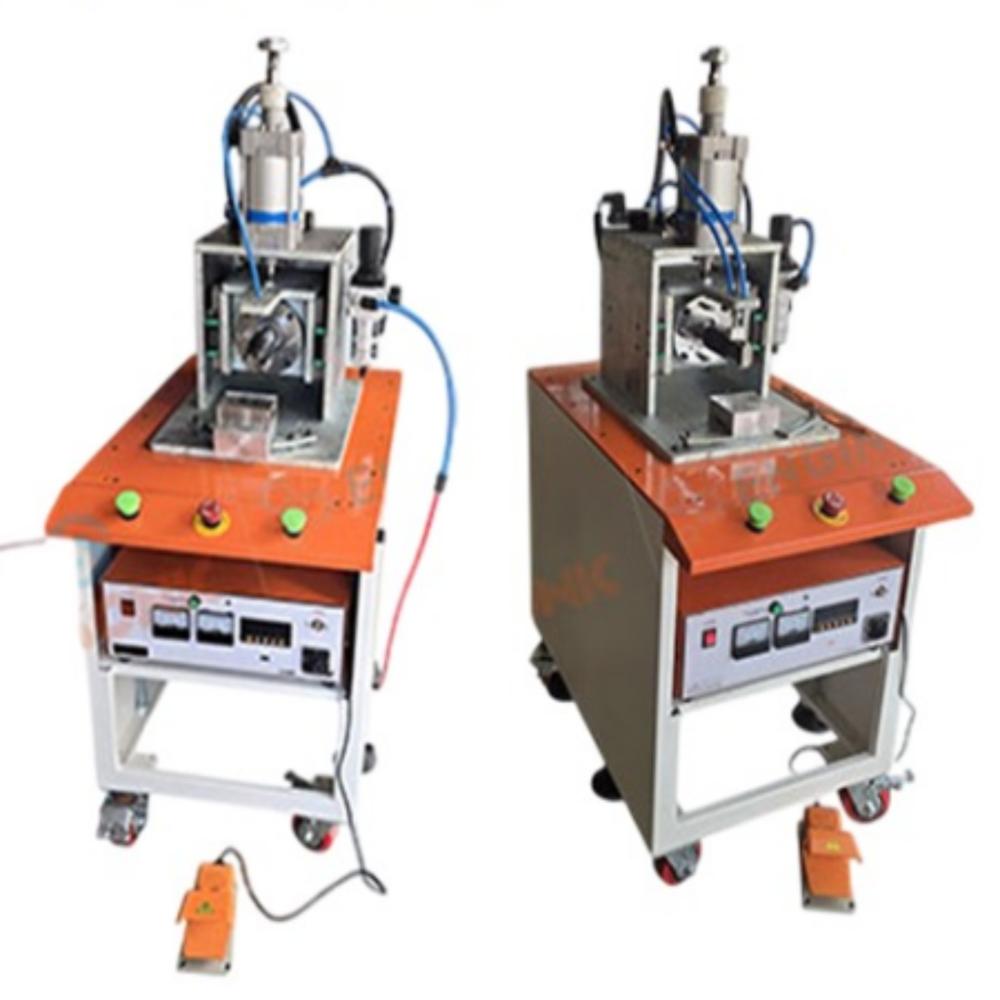
Metal Welding
Price 119999.0 INR/ Piece
MOQ : 1 Piece
Metal Welding Specification
- Usage
- Industrial
- Product Type
- Industrial
- Weight
- 80 Kilograms (kg)
- Coating
- yes
- Color
- All
Metal Welding Trade Information
- Minimum Order Quantity
- 1 Piece
- FOB Port
- Pune
- Payment Terms
- Cash Advance (CA), Cash in Advance (CID)
- Supply Ability
- 20 Pieces Per Month
- Delivery Time
- 10 Days
- Sample Available
- No
- Sample Policy
- Contact us for information regarding our sample policy
- Main Domestic Market
- All India
Metal Welding About
Metal welding is a fabrication process used to permanently join metal components by applying heat, pressure, or both, with or without filler material. This specification defines the requirements, performance criteria, and quality standards for industrial metal welding services and outputs.
Materials
Applicable materials include carbon steel, stainless steel, aluminum, and alloy metals. Base metals shall be free from oil, rust, paint, and contaminants prior to welding. Filler materials must be compatible with the base metal and conform to relevant standards (e.g., AWS, ISO).
Welding Processes
Supported processes include MIG (GMAW), TIG (GTAW), Stick (SMAW), and Flux-Cored (FCAW). Process selection depends on material type, thickness, joint design, and application requirements.
Performance Requirements
Welds must achieve specified mechanical strength, dimensional accuracy, and structural integrity. Weld penetration, bead profile, and fusion shall meet design drawings and tolerances. Distortion must be minimized through proper technique and fixturing.
Quality and Inspection
All welds shall undergo visual inspection, with non-destructive testing (NDT) such as ultrasonic, radiographic, or dye penetrant testing as required. Defects including cracks, porosity, and undercut are not acceptable beyond specified limits.
Safety and Compliance
Welding operations must comply with occupational safety regulations, including proper PPE, ventilation, and electrical safety. Documentation and traceability shall be maintained for materials, procedures, and inspections.
Tell us about your requirement

Price:
Quantity
Select Unit
- 50
- 100
- 200
- 250
- 500
- 1000+
Additional detail
Mobile number
Email


 Send Inquiry
Our Products
- Corrugated Box Rivet Machine
- Ultrasonic Booster
- Ultrasonic Horn
- Ultrasonic Manure Belt Repair Machine
- Ultrasonic Plastic Welding Generator Box
- Ultrasonic Transducers
- Ultrasonic Welding Gun
- Ultrasonic Welding System
- Welding Machine Repairing Service
- Ultrasonic PP Box Welding
- PP Box Riveting Machine
- Metal Welding
- PP sheet Grinding


Gat No.175, Sonai Industrial, Rupinagar Road, Ganesh Nagar, Pune - 411062, Maharashtra, India

Mr Varun Ashok Chaturvedi
(Proprietor)
Mobile :08045478395
 Send Inquiry
 Send SMS
Developed and Managed by Infocom Network Private Limited.
